


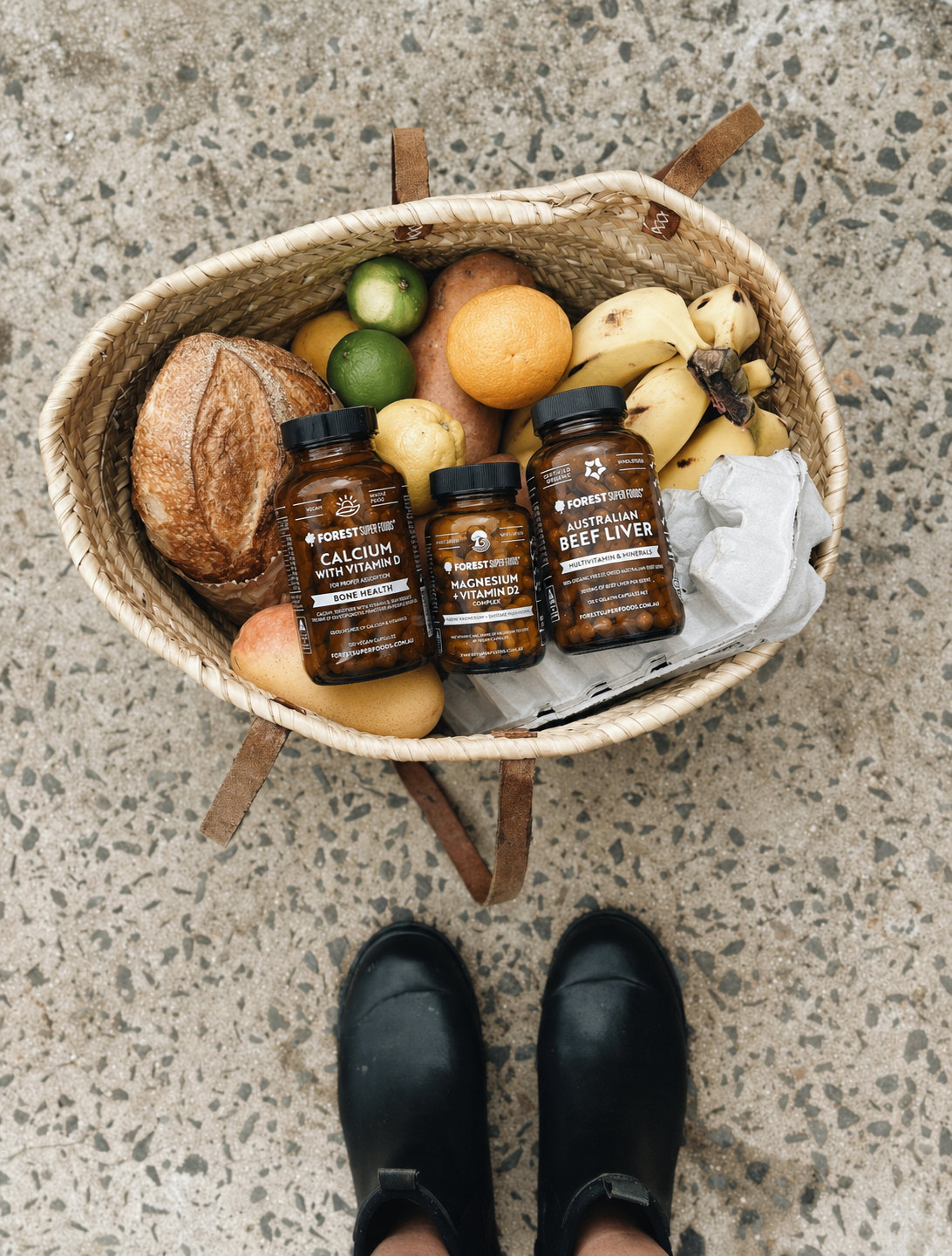

IS YOUR MEDICATION AFFECTING YOUR NUTRIENT LEVELS?
Medicines can be essential for managing health conditions, but some may also affect how particular nutrients are absorbed, used or excreted by the body.
This does not mean everyone taking these medications will become deficient. The risk often depends on the medicine, dosage, duration of treatment, diet, age and individual health factors.
Here are seven important medication–nutrient relationships worth knowing about.
-
METFORMIN
May affect: Vitamin B12
Metformin can reduce the absorption of vitamin B12. The risk appears to increase with higher doses, longer treatment duration and other existing risk factors for B12 deficiency.
Low B12 may contribute to:
• Fatigue or weakness
• Pins and needles or numbness
• A sore or inflamed tongue
• Memory or concentration changes
• Megaloblastic anaemia
Vitamin B12 deficiency is now recognised as a common side effect of metformin, potentially affecting up to 1 in 10 people taking it.
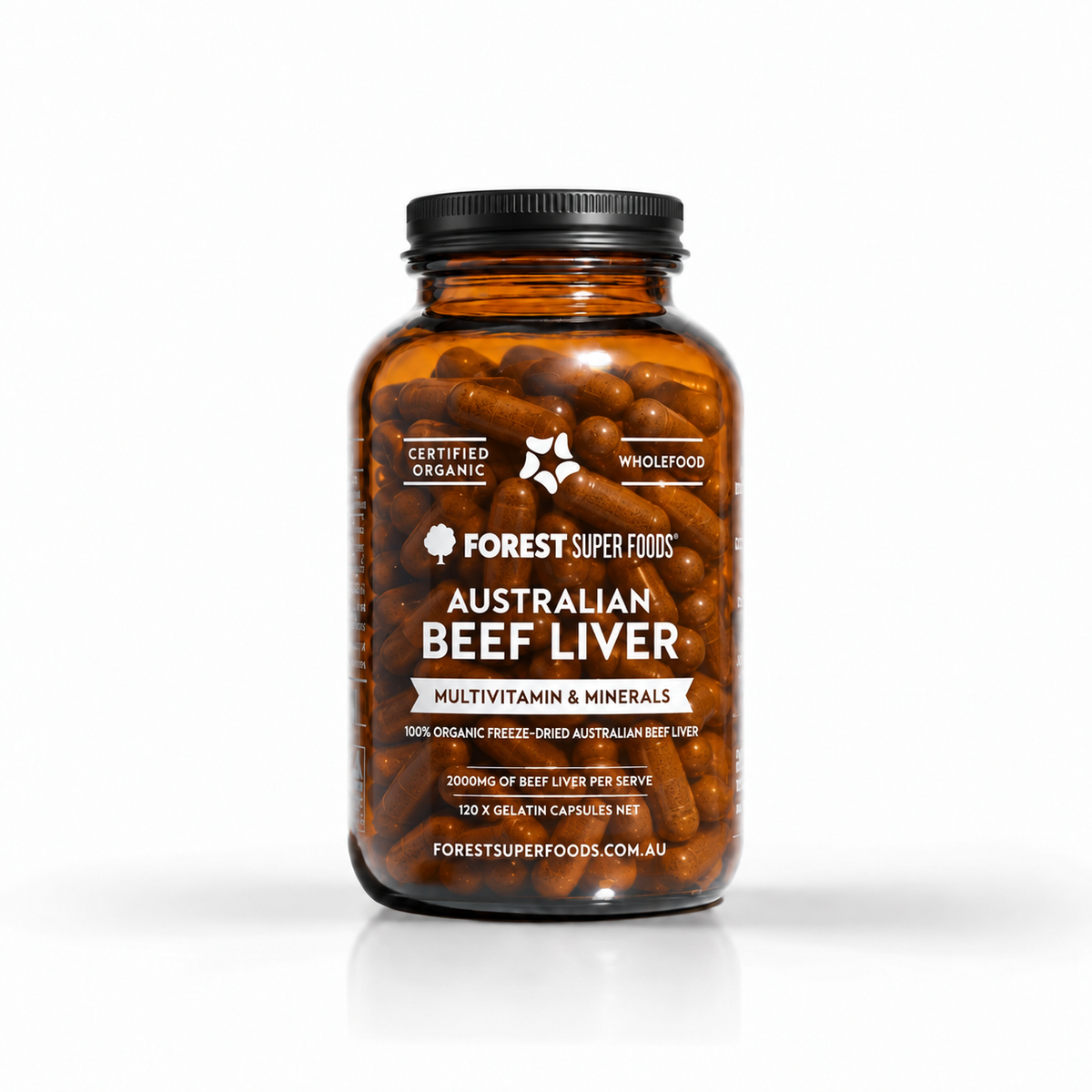
NEED TO INCREASE YOUR B12? GET OUR BEEF LIVER HERE
-
PROTON PUMP INHIBITORS
Examples: Omeprazole, esomeprazole, pantoprazole and lansoprazole
May affect:
• Magnesium
• Vitamin B12
Proton pump inhibitors reduce stomach acid. When used for extended periods, this may interfere with the absorption of vitamin B12 from food. Long-term use has also been associated with low magnesium levels in some people.
Low magnesium can present as muscle cramps, weakness, tremors, heart rhythm changes or seizures in severe cases.
NEED TO INCREASE YOUR B12? GET OUR BEEF LIVER HERE
NEED TO INCREASE YOUR MAGNESIUM? GET OUR WHOLEFOOD MAGNESIUM HERE
-
DIURETICS
Examples: Furosemide, hydrochlorothiazide and indapamide
May affect:
• Potassium
• Magnesium
Some diuretics increase the amount of potassium and magnesium lost through the urine. The degree of loss depends on the specific medication and dose.
Importantly, potassium-sparing diuretics can have the opposite effect and cause potassium levels to become too high. Potassium supplements should therefore never be started simply because someone takes a diuretic.
NEED TO INCREASE YOUR MAGNESIUM? GET OUR WHOLEFOOD MAGNESIUM HERE
-
LONG-TERM CORTICOSTEROIDS
Examples: Prednisolone and dexamethasone
May affect:
• Calcium balance
• Vitamin D metabolism
• Bone mineral density
Long-term corticosteroid treatment can reduce calcium absorption, increase calcium losses and interfere with normal bone formation. This can increase the risk of osteoporosis and fractures, particularly at higher doses or with prolonged use.
Calcium and vitamin D status, dietary intake and bone health may need to be assessed as part of long-term treatment.
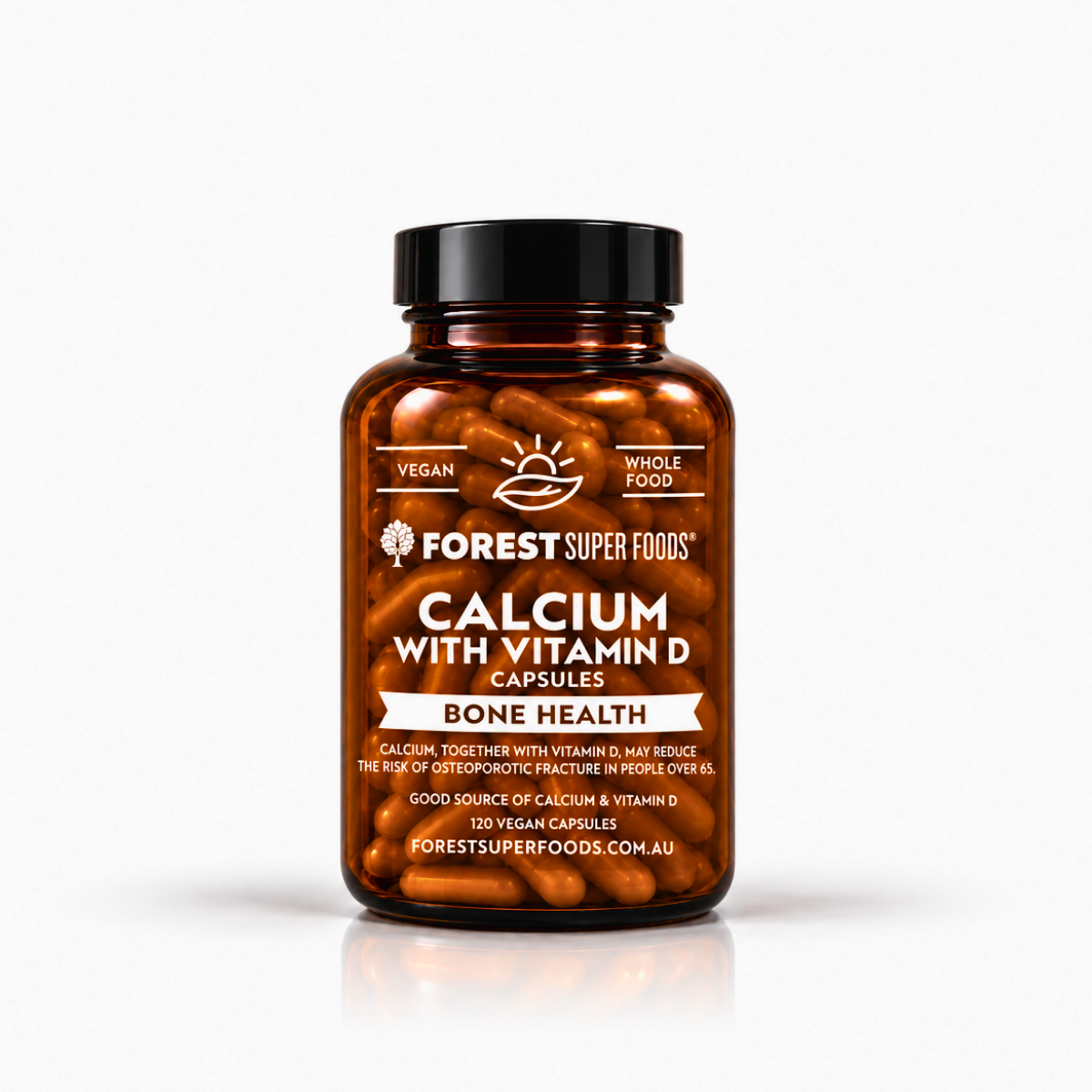
NEED A WHOLEFOOD CALCIUM SUPPLEMENT? GET OURS HERE
-
ANTISEIZURE MEDICATIONS
Examples: Phenytoin, carbamazepine and phenobarbital
May affect:
• Vitamin D
• Calcium and bone health
• Folate, depending on the medicine
Some antiseizure medications increase the breakdown of vitamin D in the liver. Over time, this may reduce calcium absorption and contribute to lower bone mineral density.
The effect varies considerably between medications, so monitoring and supplementation need to be individualised.
NEED A WHOLEFOOD CALCIUM + VITAMIN D SUPPLEMENT? GET OURS HERE
-
METHOTREXATE
May affect: Folate
Methotrexate works partly by interfering with folate metabolism. Folic acid is commonly prescribed alongside low-dose methotrexate to reduce certain adverse effects.
However, the amount and timing of folic acid are important. Anyone taking methotrexate should follow the instructions provided by their prescriber or pharmacist rather than adding a folate supplement independently.
BILE ACID SEQUESTRANTS
Examples: Cholestyramine and colestipol
May affect:
• Vitamin A
• Vitamin D
• Vitamin E
• Vitamin K
These medications bind bile acids within the digestive system. With prolonged use, they may reduce the absorption of fat-soluble vitamins and some other medications.
Nutrient monitoring may be appropriate when these medicines are used over an extended period.
SHOULD YOU START TAKING SUPPLEMENTS?
Not necessarily.
A medication–nutrient interaction indicates an increased risk, not proof of a deficiency.
Most importantly, do not stop or alter a prescribed medicine because of a potential nutrient interaction.
The right question is not simply, “Which supplement should I take?”
It is, “Does this medication place me at risk, and should this nutrient be assessed?” Need some more assistance, reach out to me angela@forestsuperfoods.com.au
Natural MagnesiumA powerful supplement for your health and wellness. Order Now |

|





Leave a comment
All comments are moderated before being published.
This site is protected by hCaptcha and the hCaptcha Privacy Policy and Terms of Service apply.