


If I had to make one clear prediction about where nutrition and health are heading in 2026, it is this: we are moving back to wholefoods. Not as a fad. Not as a moral stance. As a correction.
For the past few decades, health culture has been dominated by optimisation. Isolated nutrients, powders, capsules, functional extracts, biohacks. On paper, it all looked sophisticated. In practice, population health has not improved in parallel. Chronic disease rates continue to rise, metabolic health is deteriorating, and people are more confused about food than ever.
That gap is why wholefoods are making a comeback.
The backdrop we can no longer ignore
In Australia, close to half of total dietary energy is now estimated to come from ultra-processed foods, and discretionary foods alone account for just over 30 percent of daily energy intake. That means a large proportion of people are meeting their calorie needs from foods that are stripped of their natural structure and heavily engineered for shelf life and reward, not nourishment.
At the same time, the research linking ultra-processed food intake with poor health outcomes has become harder to dismiss. Large reviews now associate higher ultra-processed food consumption with increased risk of cardiovascular disease, type 2 diabetes, and all-cause mortality. These are not fringe studies. They are large-scale analyses pulling together millions of participants.
When this is the baseline, it becomes obvious why adding another supplement, an ultra processed one on top is not solving the problem.
The supplement paradox
One of the most important lessons nutrition science has taught us is that foods and synthetic nutrients do not behave the same way.
For decades, observational studies showed that people who ate diets rich in fruits and vegetables had lower rates of chronic disease. The assumption was that antioxidants were the protective factor. So we isolated them, synthesised them in a lab. Beta-carotene, vitamin E, vitamin C. Then we tested them.
The results were sobering.
Large randomised trials found that beta-carotene supplements increased lung cancer risk in smokers. Vitamin E supplements failed to reduce cardiovascular risk and, in some analyses, increased all-cause mortality. These findings were strong enough that preventive health authorities now recommend against using these supplements for disease prevention in the general population.
This was not because antioxidants are “bad”. It was because nutrients do not act in isolation inside the human body.
Whole foods contain fibre, water, minerals, thousands of phytochemicals, and intact cellular structures that influence digestion, absorption, metabolism, and gut microbiota. When you remove one compound from that context and deliver it at pharmacological doses, you change its biological behaviour.
Food is not a multivitamin. It is a system.
Why wholefoods are different
Wholefoods work not because they contain a single magical compound, but because they shape physiology in multiple directions at once.
They slow glucose absorption.
They feed the gut microbiome.
They improve satiety and appetite regulation.
They displace ultra-processed foods automatically.
Most importantly, they create nutritional adequacy without forcing people to think in milligrams and IU.
This is why dietary patterns based on minimally processed foods consistently outperform supplement-driven approaches in long-term health outcomes.
Even the market is shifting
Interestingly, this shift is not just happening in academic journals or clinical circles. Retail trends are reflecting it too.
Major food retailers are now forecasting growth in fibre-rich foods, simpler ingredient lists, and products that more closely resemble real meals rather than engineered nutrition products. Convenience is still valued, but the expectation is changing. People want convenience without chemical overload.
That tells me the appetite for “back to basics” is no longer niche. It is mainstream.
What wholefoods will look like in 2026
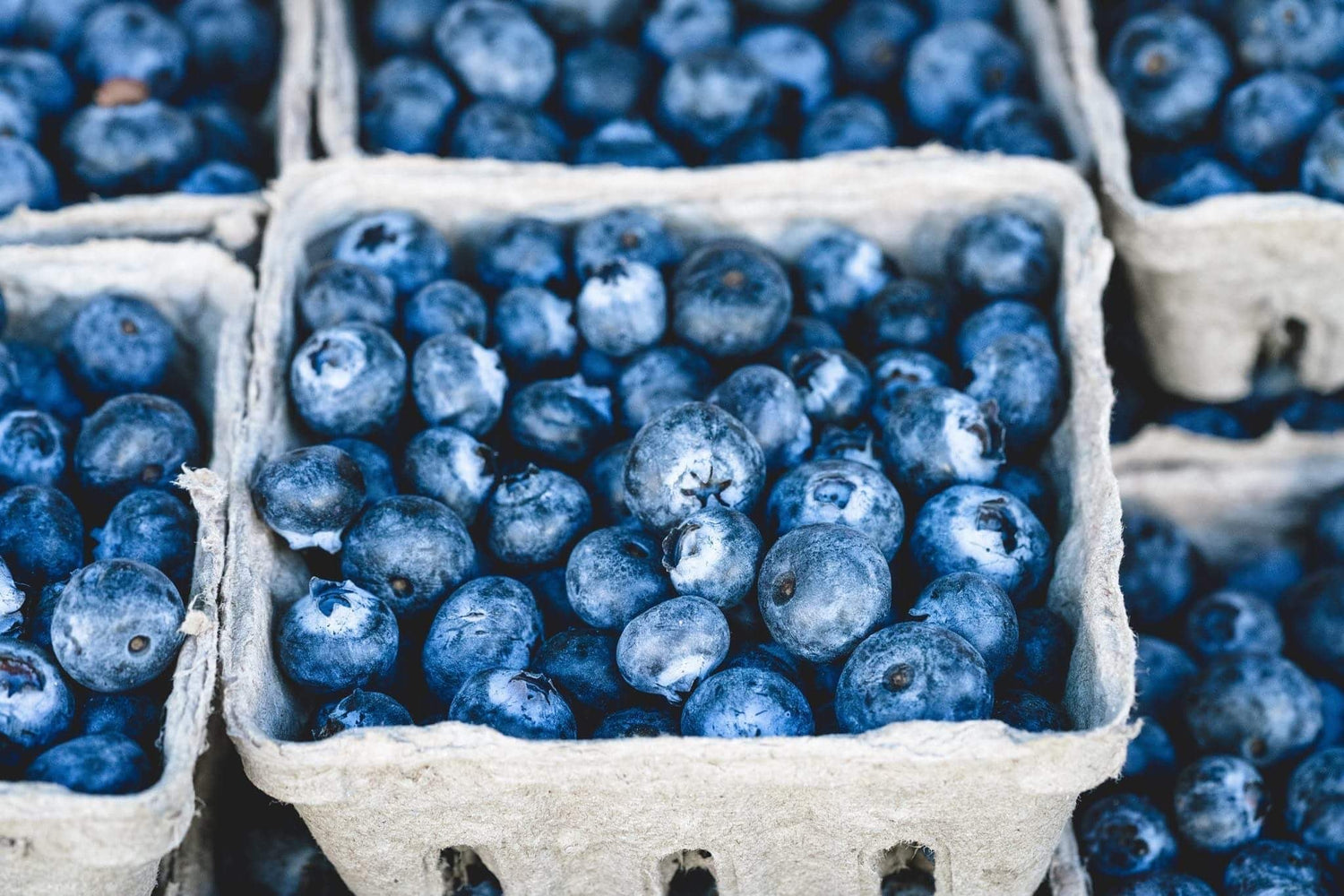
Wholefoods, including genuinely unadulterated wholefood supplements and nutrient-dense superfoods, will re-establish themselves as the foundation of health. Synthetic supplements will still have a place, but their role will become more precise and clinical, used when clearly indicated rather than relied on as everyday nutritional insurance.
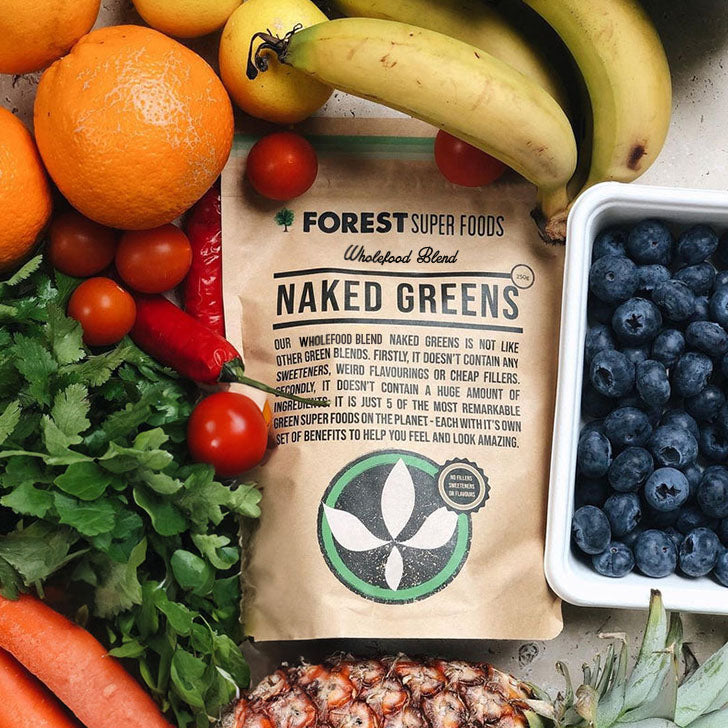
The people who truly flourish in 2026 will not be those consuming the most complex supplement stacks. They will be the ones meeting the majority of their nutritional needs through real food first, supported by high-quality wholefood supplements that retain the natural nutrient matrix. Simply prepared formats such as dried, powdered, fermented, will increasingly displace isolated, synthetic nutrients, because they support physiology instead of bypassing it.
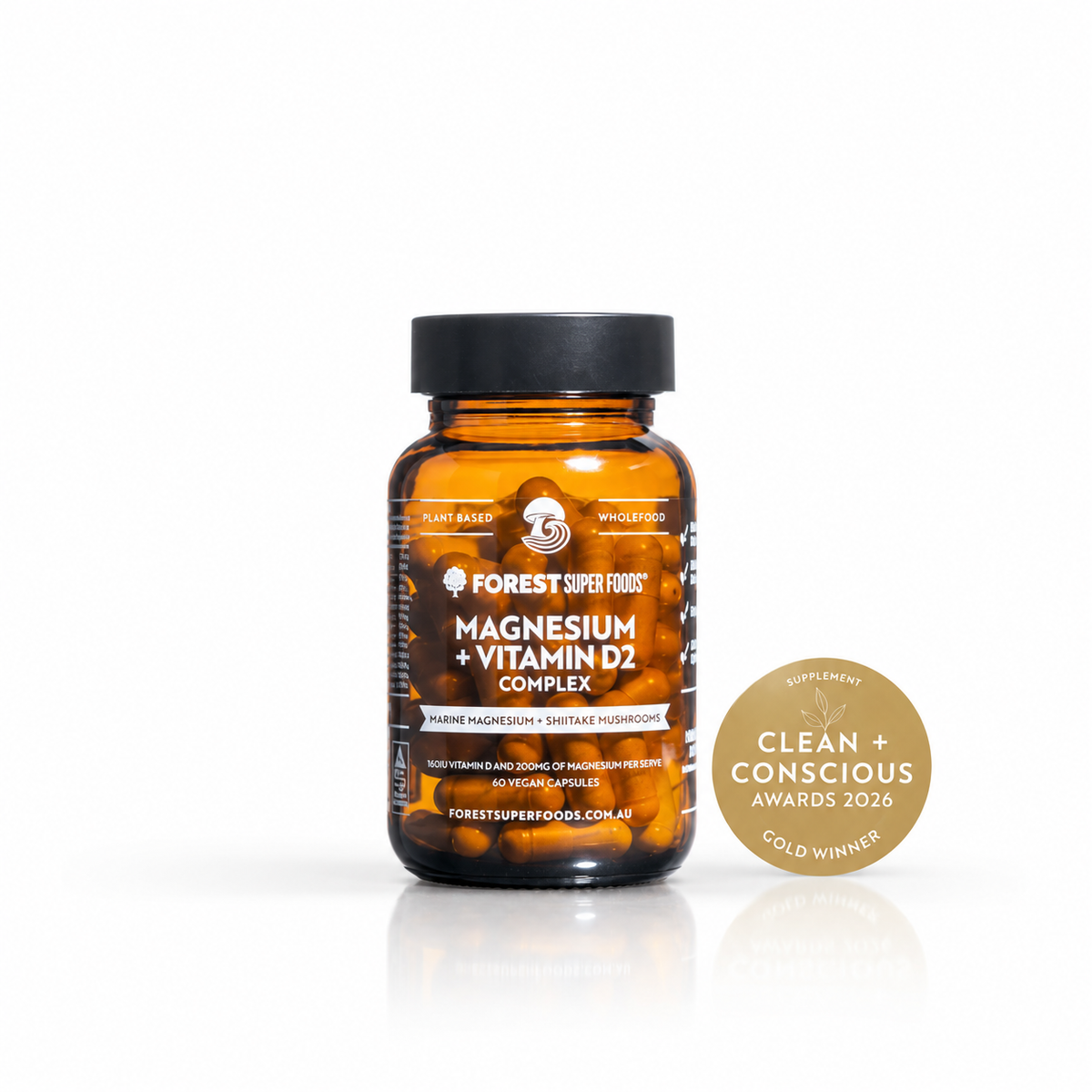
Natural MagnesiumA powerful supplement for your health and wellness. Order Now |

|
Frequently Asked Questions
What does Moringa do for your body?
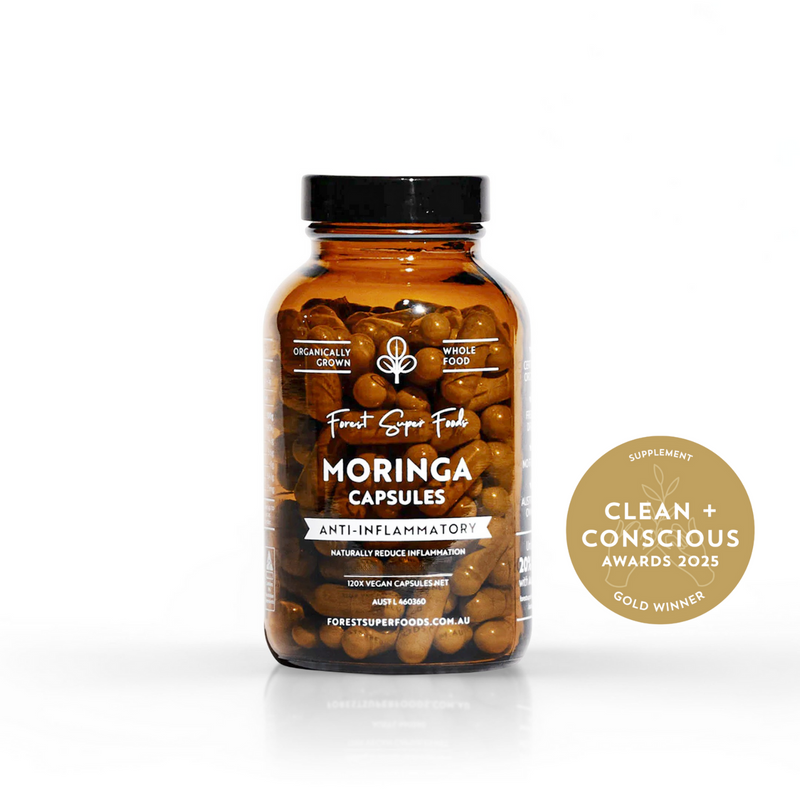
Moringa is a nutrient-dense superfood rich in vitamins A, C, E, calcium, potassium, and antioxidants. It may help protect tissues of vital organs. It's also traditionally used for hormone and digestive support.
Who cannot take Moringa?
While Moringa is safe for most people, those who are pregnant, breastfeeding, or on blood pressure or thyroid medication should consult a healthcare professional before taking it. It's best to consult your healthcare provider before taking Moringa supplements for regular use.
Is Moringa legal in Australia?
Yes, Moringa is legal and available in Australia as a supplement.However, it is categorised as a 'novel food' which makes it unavailable as a regular food item. At Forest Super Foods, our Moringa is organically grown and meets all Australian food safety and labelling standards.
What happens if I take Moringa every day?
Daily Moringa use may support overall wellbeing, energy, and digestion. Many people experience better focus and reduced inflammation with consistent use. Just be sure to follow the recommended dose, as high quantities may lead to digestive discomfort in some people.


Leave a comment
All comments are moderated before being published.
This site is protected by hCaptcha and the hCaptcha Privacy Policy and Terms of Service apply.