




Last week we discussed the incredible benefits of Omega-3 fatty acids and how they play a critical role in human health, influencing inflammation, cardiovascular function, neurological integrity, immune modulation, and cell membrane signalling. For decades, fish oil supplements have been positioned as the gold standard for omega-3 delivery, particularly EPA and DHA. However, when you truly look at the data , fish oil presents several biochemical, clinical, and practical concerns that are often overlooked.
1. High Susceptibility to Oxidation
Omega-3 fatty acids are polyunsaturated, making them inherently unstable. EPA and DHA contain multiple double bonds that oxidise readily when exposed to heat, light, oxygen, and time.
Fish oil is one of the most oxidation-prone supplements on the market.
Key concerns:
-
Oxidised fish oil generates lipid peroxides and aldehydes
-
These compounds are pro-inflammatory and cytotoxic
-
Oxidised lipids increase oxidative stress rather than reduce it
Independent testing repeatedly shows that a significant percentage of commercial fish oil products exceed recommended oxidation thresholds before the consumer even opens the bottle. Once opened, oxidation accelerates further, particularly in warm climates.
From a health perspective, delivering oxidised fats undermines mitochondrial health, cell membrane integrity, and inflammatory balance.
2. Poor Quality Control and Rancidity Issues
Unlike pharmaceuticals, supplements are not uniformly regulated. Fish oil quality varies dramatically between brands, batches, and storage conditions.
Common quality problems include:
-
Inadequate purification
-
Poor cold chain management during transport
-
Long shelf storage prior to sale
-
Use of deodorisation to mask rancidity rather than prevent it
Many clients report fishy burps, reflux, or nausea, which are often signs of lipid oxidation rather than benign side effects. Rancid oils burden liver detoxification pathways and can aggravate gut inflammation.
3. Environmental Contaminants and Bioaccumulation
Fish oils are derived from marine life that bioaccumulates toxins from polluted waters. Even with molecular distillation, complete removal of contaminants is not guaranteed.
Potential contaminants include:
-
Mercury
-
Polychlorinated biphenyls (PCBs)
-
Dioxins
-
Microplastics
-
Persistent organic pollutants
Chronic low-level exposure to these compounds can disrupt endocrine signalling, burden detoxification systems, and impair neurological function. This is particularly relevant for pregnant women, children, and individuals with compromised detox pathways.
4. Imbalanced Omega-3 Dosing and Inflammatory Suppression
High-dose fish oil is often used to blunt inflammation, but this approach can be problematic long term.
Excessive EPA intake may:
-
Suppress immune responsiveness
-
Interfere with normal inflammatory signalling required for tissue repair
-
Increase bleeding risk in susceptible individuals
-
Disrupt eicosanoid balance
Inflammation is not inherently pathological. It is a tightly regulated biological process. Chronic suppression without addressing upstream drivers such as insulin resistance, gut permeability, oxidative stress, or nutrient deficiencies can impair healing and resilience.
5. Poor Tolerance in Gut-Compromised Individuals
Fish oil frequently causes digestive symptoms, especially in individuals with:
-
Low bile output
-
Gallbladder dysfunction
-
Small intestinal bacterial overgrowth
-
Fat malabsorption
-
Histamine intolerance
Liquid fats place a significant demand on bile production and pancreatic lipase. In compromised digestive systems, this can worsen bloating, nausea, reflux, and loose stools. From a functional perspective, this signals impaired assimilation rather than benefit.
6. Lack of Synergistic Nutrient Context
In whole food sources, omega-3 fats exist within a complex nutrient matrix that includes antioxidants, phospholipids, fat-soluble vitamins, and cofactors that protect against oxidation and enhance cellular uptake.
Fish oil isolates EPA and DHA from this natural context.
This isolation:
-
Removes protective antioxidants present in whole foods
-
Increases oxidative vulnerability
-
Alters physiological delivery and utilisation
Human physiology evolved to process fats in food matrices, not as concentrated, refined oils.
7. Sustainability and Ethical Concerns
Global demand for fish oil contributes to:
-
Overfishing of small pelagic fish
-
Marine ecosystem disruption
-
Reduced biodiversity
From a systems-based health perspective, human health cannot be separated from environmental health. Unsustainable sourcing undermines long-term nutritional security.
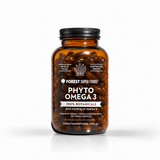
Coming up....the best source of Omega 3.
Phyto Omega 3A powerful supplement for your health and wellness. Order Now |

|




2 comments
Susanne Muller
Hi Forest Super foods,
Can you please update the info on Omega 3? What do one use instead of fish oil please?
Thank you
jenny Storti
Also what is the best source of omega 3..
How much should we be taking please
Leave a comment
All comments are moderated before being published.
This site is protected by hCaptcha and the hCaptcha Privacy Policy and Terms of Service apply.